
The Liberty Tree Yesterday and Today
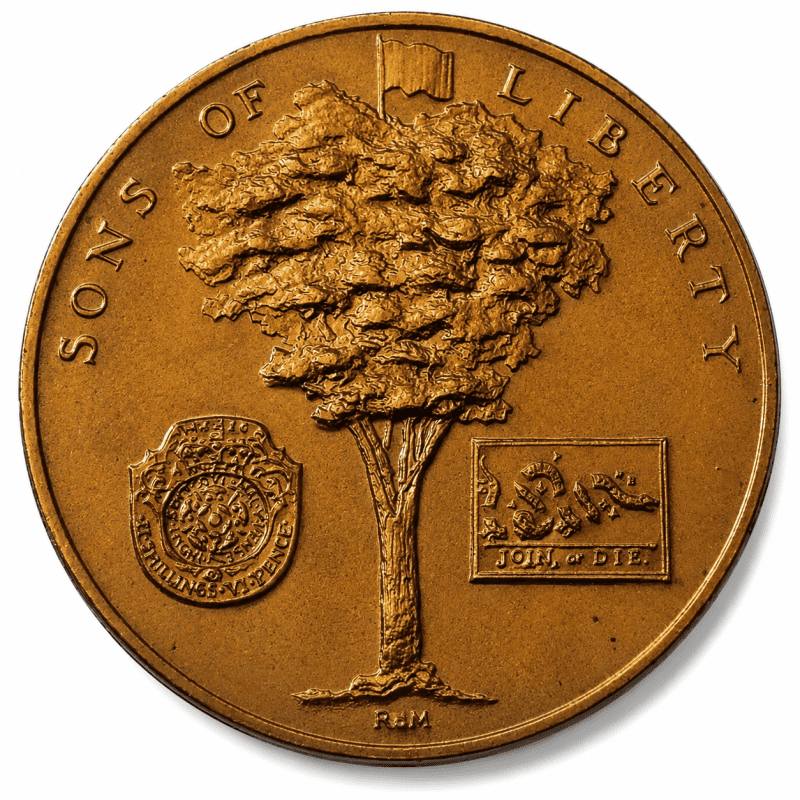
Long before America became a nation… before there was a Declaration of Independence… before there were fireworks, parades, or even the United States itself… there was a tree.
There was The Liberty Tree. Its branches stretched over the streets of Boston like open arms gathering together ordinary people with extraordinary courage. Beneath that tree, colonists whispered dangerous ideas. They gathered in fear, in frustration, and eventually in hope. Hope that freedom could belong not only to kings and wealthy men, but to common people willing to stand together and demand it.
The Liberty Tree was more than wood and leaves rooted in the soil of colonial America. To the colonists, it became a living symbol of resistance, unity, and the belief that their voices mattered. Under its shade, the Sons of Liberty organized protests against British rule. Effigies were hung from its branches. Speeches stirred the hearts of the people. Plans were made that would help ignite a revolution.
But emotionally, the Liberty Tree represented something even deeper.
It reminded people they were not alone. For dock workers, craftsmen, merchants, laborers, free Black colonists, and even the enslaved who heard whispers of liberty carried through Boston’s streets, the tree became a symbol of possibility. A place where courage grew. A place where the idea of freedom took root long before the nation itself did.
And even after British soldiers cut the tree down in 1775, they could not destroy what it had already inspired. Because the Liberty Tree had become more than a place. It had become an idea.
Today, nearly 250 years later, that same spirit still speaks to us. The belief that communities matter. That ordinary voices can shape history. That liberty requires courage, sacrifice, and people willing to stand together beneath the weight of uncertain times.
On this episode of Quarter Miles Travel, we travel back to the roots of the American Revolution to uncover the story of the Liberty Tree… the tree that helped grow a nation.
The Liberty Tree came to represent the values that would eventually shape the soul of a nation: freedom, unity, courage, civic responsibility, resistance to injustice, and the belief that ordinary people have the power to shape their own future.
Beneath its branches, colonists discovered that liberty was not simply an idea spoken by politicians or written in documents—it was something living, something worth protecting and fighting for together. The tree became a gathering place where voices joined in common purpose, where communities stood against oppression, and where hope grew stronger than fear.
Its symbolism inspired a nation to believe that freedom belonged not to a king, but to the people. That government should answer to its citizens. That protest could become patriotism. And that even in uncertain times, unity and courage could grow deep enough to change the course of history.
Though the original tree was cut down, the values it represented continued to spread across the colonies like roots beneath the soil—eventually giving rise to the birth of the United States itself.
Yes — there were tensions, contradictions, and sometimes open conflict between Black and white colonists during the years leading up to the American Revolution, especially in slaveholding colonies. The revolutionary era was filled with a painful irony:
White colonists were demanding liberty from Britain while many continued denying liberty to enslaved Africans. African Americans recognized that contradiction immediately.
Some Black people supported the patriot movement and hoped the Revolution would eventually lead to freedom and equality. Others deeply distrusted white revolutionaries and believed British promises of emancipation offered a more realistic path to liberty.
So the Revolutionary period was not one unified movement. It was complicated, layered, and often divided along racial and economic lines.
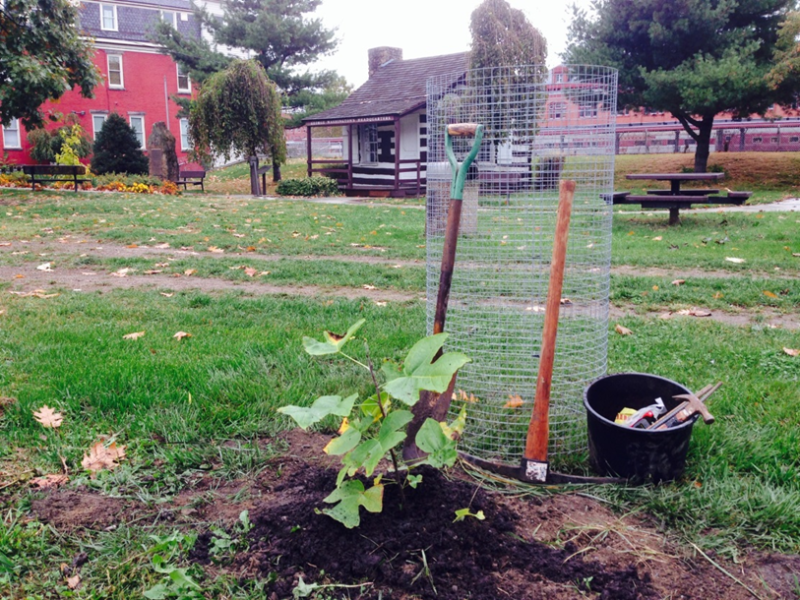
Planting a Liberty Tree in Maryland Photo Courtesy of Champ Zumbrun.
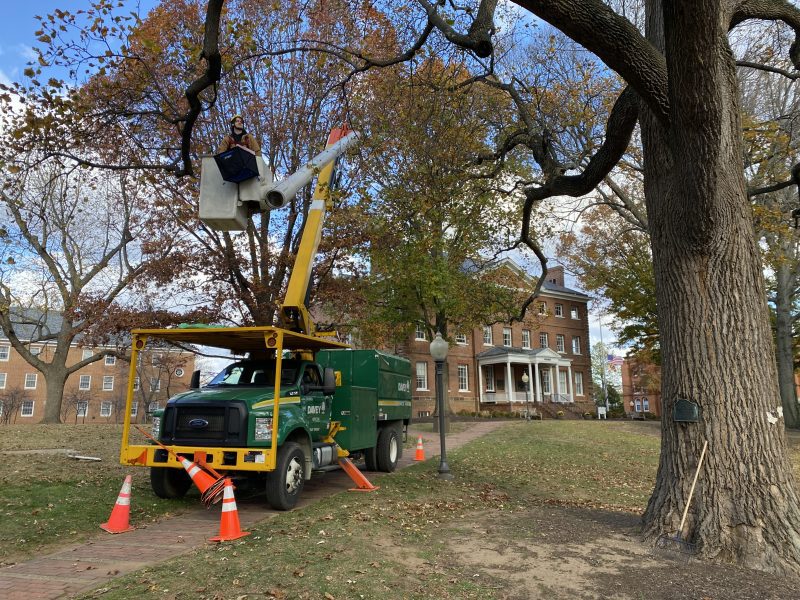
The Liberty Tree in Maryland Photo courtesy of Champ Zumbrun

Photo courtesy of – The Liberty Tree exhibit at American Revolution Museum at Yorktown, VA
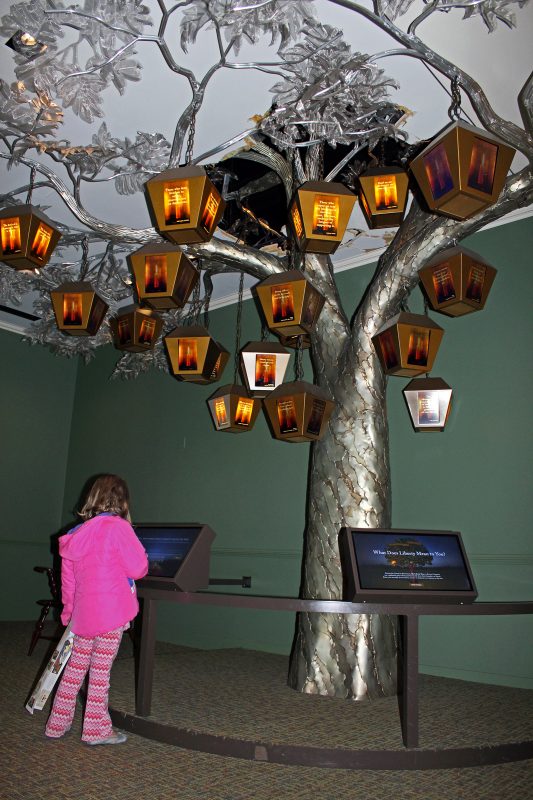
Photo courtesy of – The Liberty Tree exhibit at American Revolution Museum at Yorktown, VA
Our commitment to storytelling –
Our goal is to journey through history in search of the untold and little-known stories — the ones overshadowed by larger narratives, pushed to the margins, or too often silenced and forgotten. We believe history is richest when all voices, experiences, and perspectives are explored with honesty and care.
We strive for accuracy, fairness, and thoughtful storytelling in every piece we create. Our work is grounded in research, historical records, oral histories, and cultural context. But we also recognize that history is not always fully preserved in written documents or official accounts. Sometimes it must also be understood through interpretation, lived experience, and the voices that history nearly lost.
Our commitment is to share these stories with integrity, insight, curiosity, and respect — bringing the past to life in ways that are meaningful, engaging, and thought-provoking.
And because history is always evolving through continued discovery and scholarship, we welcome thoughtful feedback. If you see something that may need correction, additional context, or if you have information that could deepen the story, we invite you to contact us at [email protected]
We value continued learning and will regularly review and update our content to ensure it remains as complete, accurate, and compelling as possible.
**Quarter Miles Travel is not associated with or in collaboration with the U.S. Mint. Our stories are inspired by the designs on our U.S. currency and does not reflect the opinions or views of the U.S. Mint.


0 Comments